English
 Deutsch
 español
 français
 italiano

-
Newest

Onion jam
Champignons on skewers in the oven
Homemade croissants
Cointreau liqueur
Crab cakes
Profiteroles with chocolate cream



Easter cake


Kulich is the most ancient ritual food for Easter. In Rus', it was believed that if the Easter cake was a success, then everything would be fine in the family all year.
How to cook Easter cake
Step 1
Prepare steam. To do this, pour the yeast with 100 ml of warm water, add 1 tsp. sugar and set aside for 10 minutes. for the fermentation process. In warm milk, add salt, prepared yeast, 1 tbsp. l. sugar and about half of the sifted flour. Knead the dough until the state of thick sour cream. Put the dough in a warm place without drafts for 2 hours.
Step 2
Mix the remaining flour and sugar, eggs, vanilla essence into the dough. While kneading the dough, add soft butter last. The dough should have a uniform consistency, be elastic and lag behind the hands. Roll the dried apricots cut into cubes in a small amount of flour and knead into the dough. Put the dough for fermentation for 1 hour in a warm place. Then punch it down and let it rise again.
Step 3
Divide into balls, transfer to molds, greased with oil. Bake in preheated oven for about 20 minutes. at 180°C. Remove the cakes from the oven, let them cool at room temperature, cover with icing and sprinkles. Serve with fresh berries and mint.
Reviews: 0
0 Overall ratingHave you already prepared this recipe? Tell what you think.
Write a review
Trending
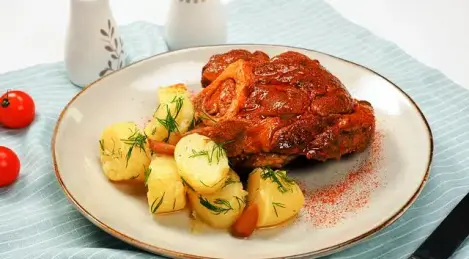
Beef knuckle
The special value of the beef knuckle (the lower part of the beef carcass leg) is the marrow bone, rich in nutrients. The recipe recommends using meat from young animals no more than 20 months old. It can be distinguished by the rich red and pink col
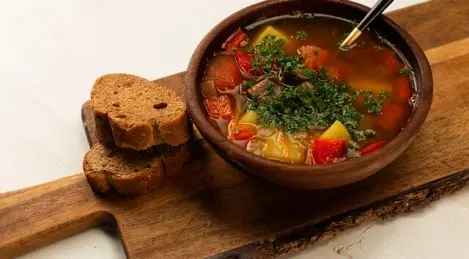
Beef shurpa
Shulum, chorpa, shorpo, sorpa... In different countries, shurpa is called by different names, but it looks about the same everywhere: a rich soup with meat and vegetables. Various herbs and spices can be added to it, or it can be made on the basis of
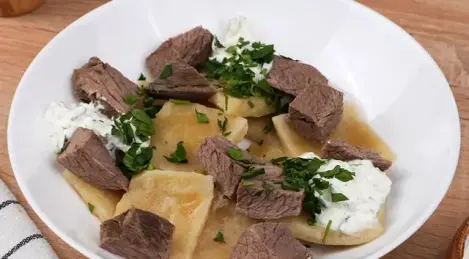
Khinkal in Dagestan style
Khinkal is a traditional Caucasian dish. It is often confused with such a famous Georgian dish as khinkali. And, although the set of products in both dishes is quite similar, they are nevertheless different. Traditionally, khinkal is prepared on the